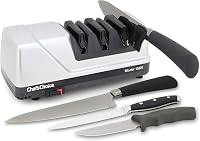
Sharpening Basics and Technique
Types of Knife Sharpeners Explained
The main types of knife sharpeners explained: electric, whetstone, pull-through and rolling. See which one fits your knives and your sharpening habits.
Plain guides to whetstones, rolling and guided sharpeners, pull-through tools and honing rods. Start with the kind of tool you're curious about, the grit question or the knife you need to fix.
The main types of knife sharpeners explained: electric, whetstone, pull-through and rolling. See which one fits your knives and your sharpening habits.
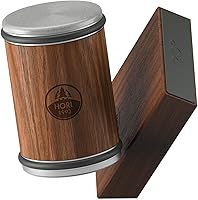
HORL 2 knife sharpener review: walnut body, diamond and ceramic discs, 15 and 20 degree angles. See who it suits, how setup and care work, and the alternatives.
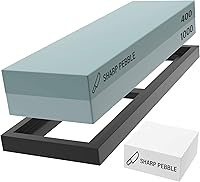
Whetstone vs waterstone: learn what each term means, how water stones differ from oil stones, and which sharpening stone to buy for your kitchen knives.
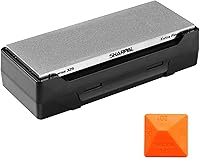
How long do diamond sharpening stones last? Most stay usable for years of home sharpening, and wear shows up as slower cutting and a polished surface.

The best knife sharpener for kitchen knives keeps your blades cutting cleanly without guesswork. Compare hand-held, pull-through and electric picks.
The best hand knife sharpener for kitchen knives depends on your blades. Compare carbide, ceramic, suction and rolling sharpeners, with picks for each home need.
How to use a hand held knife sharpener: set a stable base, match the stage to the blade, draw it through in one steady stroke, and wipe the blade clean.

What grit sharpening stone do I need? Pick 1000 for dull edges, 3000 to 6000 to polish, and coarser grits only for repairs. Match the grit to the edge you have.

Work Sharp Combo knife sharpener review: how the belt and ceramic hone work, who it suits and when a guided field sharpener fits better.